Polycystic ovary syndrome (PCOS) can affect different aspects of a person’s health, including menstrual cycles, hormone levels and metabolic health. When exploring ways to manage PCOS, many people come across recommendations for vitamins, minerals and other nutritional supplements.
But how do you know which supplements are worth researching? Are they necessary for everyone with PCOS? And what does the available scientific evidence actually say?
These questions deserve careful answers. Supplements are widely discussed online, but not every product has strong evidence supporting its advertised benefits. Some may be useful in particular circumstances, while others have uncertain benefits or potential risks.
The best approach to PCOS nutrition supplements is to understand the evidence, consider individual nutritional needs and seek appropriate healthcare advice before starting a supplement.
This guide explains several supplements studied in relation to PCOS, what current evidence can and cannot establish, and how to make informed decisions without relying on exaggerated health claims.
Quick Answer: What Are the Best Supplements for PCOS?
There is no single supplement that is best for everyone with PCOS.
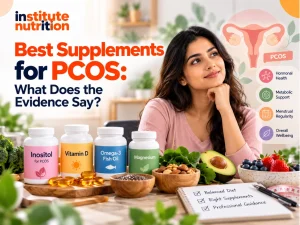
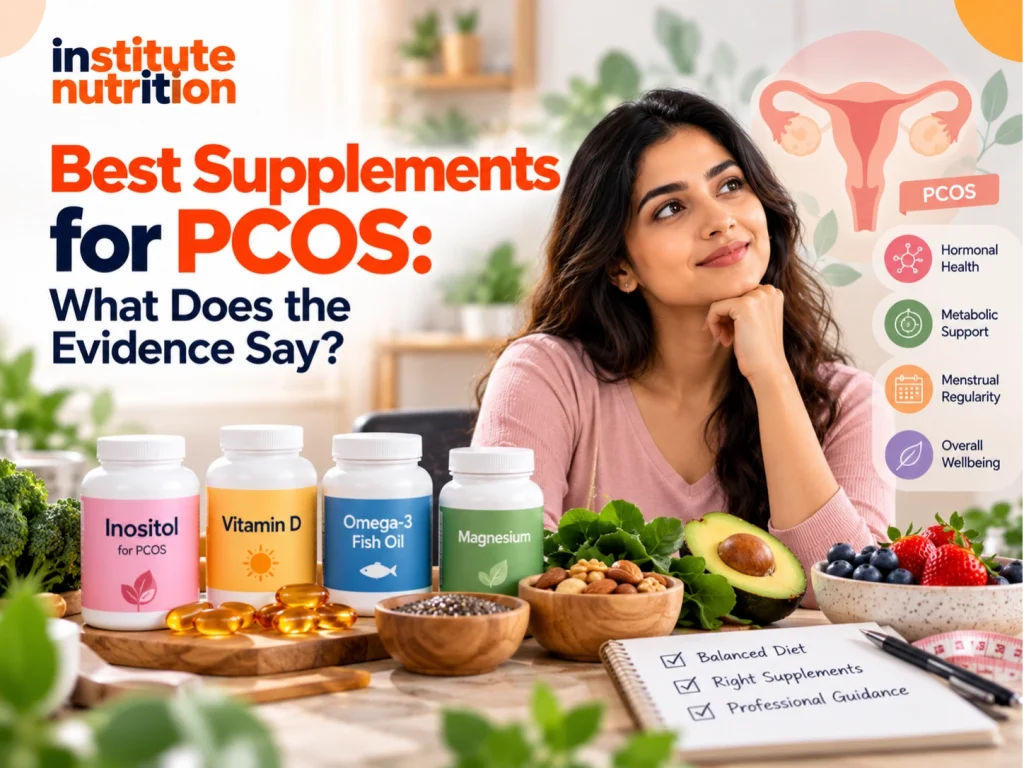
Researchers have studied substances such as inositol, vitamin D and omega-3 fatty acids in relation to different aspects of PCOS and metabolic health. However, the strength of evidence, potential benefits and appropriate use differ between supplements and individuals.
For example:
- Inositol: Research has explored possible metabolic and reproductive effects, but evidence for important clinical outcomes remains limited or uncertain.
- Vitamin D: Supplementation may be appropriate when a deficiency is identified or when a healthcare professional determines that it is needed.
- Omega-3 fatty acids: These have been studied for metabolic and inflammatory outcomes, but research does not establish that everyone with PCOS needs a supplement.
- Other vitamins and minerals: Their relevance depends on dietary intake, deficiency risk, health status and individual circumstances.
Supplements should not be treated as a cure for PCOS or as a replacement for appropriate medical care. The right choice depends on the person’s health needs, current medications, diet and professional advice.
1. Understanding PCOS and the Role of Nutrition
PCOS is a complex hormonal and metabolic condition. Its features and effects vary between individuals, which is one reason a single diet, supplement or treatment approach cannot be expected to work for everyone.
Some people experience irregular menstrual cycles, acne or unwanted hair growth. Others may have metabolic concerns or difficulties related to reproductive health. Not everyone experiences the same symptoms.
Nutrition is one part of a broader approach to health and wellbeing. A balanced eating pattern, suitable physical activity, adequate sleep and appropriate healthcare may all contribute to an individual’s overall management plan.
However, nutrition should not be presented as a guaranteed way to eliminate PCOS or correct every hormonal concern.
Supplements are also not automatically necessary simply because someone has received a PCOS diagnosis. Their usefulness depends on factors such as nutritional status, the evidence for the intended purpose and the person’s wider healthcare needs.
Understanding these distinctions can help you evaluate supplement recommendations more critically.
2. Inositol for PCOS: What Does the Evidence Say?
Inositol is one of the supplements frequently discussed in relation to PCOS.
It is involved in cellular processes, and researchers have investigated different forms of inositol for their possible effects on metabolic and reproductive outcomes.
Two forms commonly discussed are myo-inositol and D-chiro-inositol.
Why is inositol studied for PCOS?
Researchers have investigated whether inositol supplementation may influence certain metabolic measures and reproductive outcomes in people with PCOS.
However, a biological explanation for how a supplement might work does not automatically prove that taking it will produce a meaningful clinical benefit.
The 2023 International Evidence-based Guideline for PCOS states that inositol may be considered according to individual preferences, while noting that evidence for clinical benefits is limited. It also explains that evidence is insufficient to recommend specific types, doses or combinations for adults and adolescents with PCOS.
For people seeking fertility treatment, the guideline highlights particular uncertainty around the effects of inositol on ovulation, clinical pregnancy and live birth outcomes.
Should everyone with PCOS take inositol?
No. The evidence does not support treating inositol as essential for everyone with PCOS.
Before considering it, discuss your goals, medical history and current medications with a qualified healthcare professional. This is especially important if you are trying to conceive, are pregnant, have other health conditions or already take prescribed medication.
Supplement quality and composition can also vary, so a product’s marketing claims should not be treated as proof of effectiveness.
For further reading, consult the international evidence-based PCOS guideline and discuss its relevance to your circumstances with your healthcare professional.
3. Vitamin D and PCOS: When Might Supplementation Be Relevant?
Vitamin D is important for normal bone health and other bodily functions. Researchers have also investigated its relationship with PCOS and metabolic health.
However, it is important to distinguish between studying a nutrient in a health condition and proving that supplementation is beneficial for everyone with that condition.
Does everyone with PCOS need vitamin D?
No. A PCOS diagnosis alone does not establish that someone has a vitamin D deficiency or needs a supplement.
Whether supplementation is appropriate depends on individual factors, which may include dietary intake, sun exposure, health history and clinical assessment.
A healthcare professional can advise whether testing is appropriate and whether supplementation is needed.
Why should you avoid taking high doses without advice?
Taking more of a vitamin does not necessarily provide greater benefits. Excessive vitamin D intake can cause harmful calcium levels and other complications.
For this reason, avoid taking high-dose vitamin D products based solely on social media recommendations or claims that they balance hormones.
A supplement should address an appropriate need, not be taken simply because it is promoted for PCOS.
4. Omega-3 Fatty Acids and PCOS
Omega-3 fatty acids are found in foods such as oily fish and in certain plant foods. They are also available in supplement form.
Researchers have studied omega-3 supplementation in relation to lipid levels and other metabolic measures in people with PCOS.
However, research findings vary, and evidence about particular outcomes does not mean that omega-3 supplements are necessary for everyone.
Can omega-3 supplements help with PCOS?
There is no basis for promising that omega-3 supplements will cure PCOS, restore regular periods or produce a specific amount of weight loss.
Whether supplementation is appropriate depends on dietary intake, individual health circumstances and the intended purpose.
For some people, discussing food sources of omega-3 fatty acids with a qualified nutrition professional may be a useful starting point.
What should you consider before taking omega-3 supplements?
Consider your usual diet, existing medical conditions, medications and the product’s ingredients.
High-dose supplements may not be suitable for everyone and can interact with certain medications. Ask a healthcare professional whether supplementation is appropriate for you.
5. Other Vitamins and Minerals: Are They Necessary for PCOS?
People with PCOS may encounter recommendations for a wide range of vitamins and minerals online.
These recommendations should be evaluated individually rather than treated as a universal supplement plan.
Vitamin B12
Vitamin B12 is important for nerve function and red blood cell formation.
People following certain dietary patterns, including strict vegan diets, may have a greater risk of inadequate intake. Some medications can also affect vitamin B12 status.
If you take medication or have symptoms that could indicate a deficiency, ask your healthcare professional whether assessment is appropriate.
Iron
Iron is essential for producing haemoglobin, which carries oxygen in the blood.
Whether an iron supplement is appropriate depends on individual needs and whether a deficiency has been identified. Taking iron unnecessarily can cause side effects and may be harmful in some circumstances.
Do not begin high-dose iron supplementation simply because it appears on a list of recommended PCOS supplements.
Other nutrients
Other vitamins and minerals may be relevant depending on dietary intake, health status and clinical findings.
The important principle is that supplements should address an appropriate need. A longer supplement list does not automatically mean better health outcomes.
6. How to Choose PCOS Nutrition Supplements Responsibly
If you are researching PCOS nutrition supplements, it can be difficult to separate useful information from promotional claims.
A careful evaluation can help you avoid unnecessary purchases and make more informed decisions.
Check the evidence for the specific benefit
Ask what the supplement is intended to do and whether credible research supports that particular outcome.
Evidence about one metabolic measure does not necessarily prove improvements in fertility, menstrual regularity, acne or other symptoms.
Be cautious about products claiming to address every aspect of PCOS at once.
Review the ingredients and quantities
Check the full ingredient list, amounts per serving, directions and warnings.
Products containing several ingredients may make it difficult to determine which component is responsible for an effect or side effect.
Avoid assuming that a combination supplement is more effective simply because it contains more ingredients.
Consider safety and possible interactions
Supplements can cause side effects and may interact with medicines or other products.
Tell your healthcare professional about any vitamins, herbal products or supplements you already take.
Do not stop prescribed medication or replace a treatment plan with a supplement without discussing the change with your healthcare professional.
Look for transparent product information
A trustworthy product should provide clear ingredient information and appropriate safety guidance.
Be cautious when a seller makes guaranteed claims, uses dramatic before-and-after images or promises to cure PCOS.
Marketing language is not a substitute for reliable clinical evidence.
Consider your individual needs
Two people with PCOS may have different symptoms, diets, nutritional status and treatment goals.
A supplement that may be appropriate for one person may be unnecessary or unsuitable for another.
If you are comparing available options, our PCOS Nutrition Supplements page provides a related resource to explore. Use credible evidence and qualified healthcare advice when making decisions about your own health.
7. Can PCOS Be Managed Without Supplements?
Supplements are not automatically required for everyone with PCOS.
The appropriate approach depends on the person’s symptoms, health goals and clinical needs.
A broader management plan may include:
- A balanced eating pattern that suits individual preferences and nutritional requirements.
- Physical activity appropriate to the person’s circumstances.
- Adequate sleep and attention to emotional wellbeing.
- Medical assessment and treatment where indicated.
- Support from qualified healthcare professionals.
The international PCOS guideline recognises the importance of healthy lifestyle practices and individualised care.
There is no single dietary pattern that has been established as the best option for every person with PCOS. A sustainable approach that supports overall health is more appropriate than following restrictive diets or buying supplements based on unverified claims.
Supplements may have a role in particular circumstances, but they should be considered within the wider context of healthcare rather than as a standalone solution.
8. Common Mistakes to Avoid When Choosing PCOS Supplements
Taking several supplements at once
Combining multiple products can increase the risk of excessive intake, side effects and interactions.
It can also make it difficult to identify which product is causing an unwanted reaction.
Assuming natural means safe
Products marketed as natural can still cause side effects or interact with medicines.
Check the ingredients and seek professional advice when necessary.
Following social media recommendations without verification
A personal testimonial does not establish that a supplement works for everyone.
Look for credible research, professional guidance and clear information about potential risks.
Expecting immediate results
Health outcomes vary, and many supplements have uncertain or limited evidence for specific PCOS-related benefits.
Be cautious of claims that promise rapid hormonal changes or guaranteed results.
Using supplements instead of medical care
PCOS can involve different hormonal, reproductive and metabolic concerns.
A supplement cannot be assumed to address all of them. Seek appropriate assessment and discuss treatment options with a qualified healthcare professional.
9. When Should You Speak to a Healthcare Professional?
Professional advice is particularly important before starting a supplement if you:
- Take prescription medication.
- Are trying to conceive, are pregnant or are breastfeeding.
- Have another medical condition.
- Suspect a vitamin or mineral deficiency.
- Are considering high-dose supplements.
- Experience new or worsening symptoms.
A healthcare professional can help you evaluate whether a supplement is appropriate, whether testing is needed and how it fits into your wider care plan.
If your main concern is nutrition, a suitably qualified dietitian or nutrition professional can also help you review dietary intake and identify potential nutritional gaps within their professional scope.
Frequently Asked Questions
1. What are the best supplements for PCOS?
There is no single best supplement for everyone with PCOS. Inositol, vitamin D and omega-3 fatty acids have been studied for different outcomes, but the evidence and suitability vary. Supplement decisions should be based on individual needs and appropriate professional advice.
2. Can supplements cure PCOS?
No supplement should be presented as a cure for PCOS. Supplements may be considered for specific purposes, but they do not replace appropriate medical assessment and treatment.
3. Is inositol recommended for everyone with PCOS?
No. Evidence for its clinical benefits is limited or uncertain, and the appropriate type, dose and combination have not been established for everyone. Discuss it with a healthcare professional before use.
4. Should I take vitamin D if I have PCOS?
Not automatically. Vitamin D supplementation may be appropriate when deficiency or another clinical need is identified. A healthcare professional can advise whether assessment or supplementation is suitable.
5. Are PCOS supplements safe?
Safety depends on the ingredient, dose, product quality, medical history and other medications. Some supplements can cause side effects or interactions, so check with a qualified healthcare professional before starting them.
6. Can I take multiple PCOS supplements together?
Do not assume that combining supplements is safe or more effective. Multiple products may contain overlapping ingredients or interact with medicines. Ask a healthcare professional to review the products you are considering.
7. Do I need supplements if I follow a balanced diet?
Not necessarily. Some people may need supplementation because of a deficiency or particular health circumstances, while others may not. The decision depends on individual nutritional needs and professional assessment.
8. How do I choose a reliable PCOS supplement?
Review the ingredients, quantities, intended use, safety information and evidence for the claimed benefit. Be cautious of products promising to cure PCOS or guarantee specific hormonal or fertility outcomes.
Conclusion
Choosing PCOS nutrition supplements requires more than comparing product labels or following popular recommendations online.
Inositol, vitamin D, omega-3 fatty acids and other nutrients have been studied for different purposes, but the available evidence and potential benefits vary. No supplement is necessary or appropriate for everyone with PCOS, and no product should be promoted as a guaranteed cure.
Start by understanding your individual nutritional needs, reviewing credible evidence and discussing supplement decisions with a qualified healthcare professional. A balanced, sustainable lifestyle and appropriate medical care remain important parts of an individualised approach to PCOS.
If you want to explore this topic further, visit the PCOS Nutrition Supplements page for related educational information.
The most useful supplement decision is an informed one—based on evidence, individual needs and professional guidance rather than promises of quick results.
Health information disclaimer: This article is for educational purposes only. It is not a substitute for individual medical advice, diagnosis or treatment. Speak with a qualified healthcare professional before starting, stopping or changing supplements or prescribed medication.