Living with polycystic ovary syndrome (PCOS) can make nutrition feel confusing. One article recommends cutting out carbohydrates, another suggests avoiding dairy, and social media is full of strict meal plans promising to balance hormones quickly.
But does managing PCOS really require following a complicated diet?
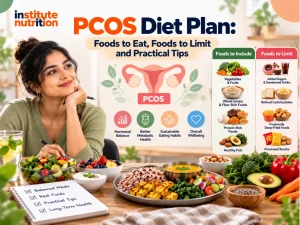
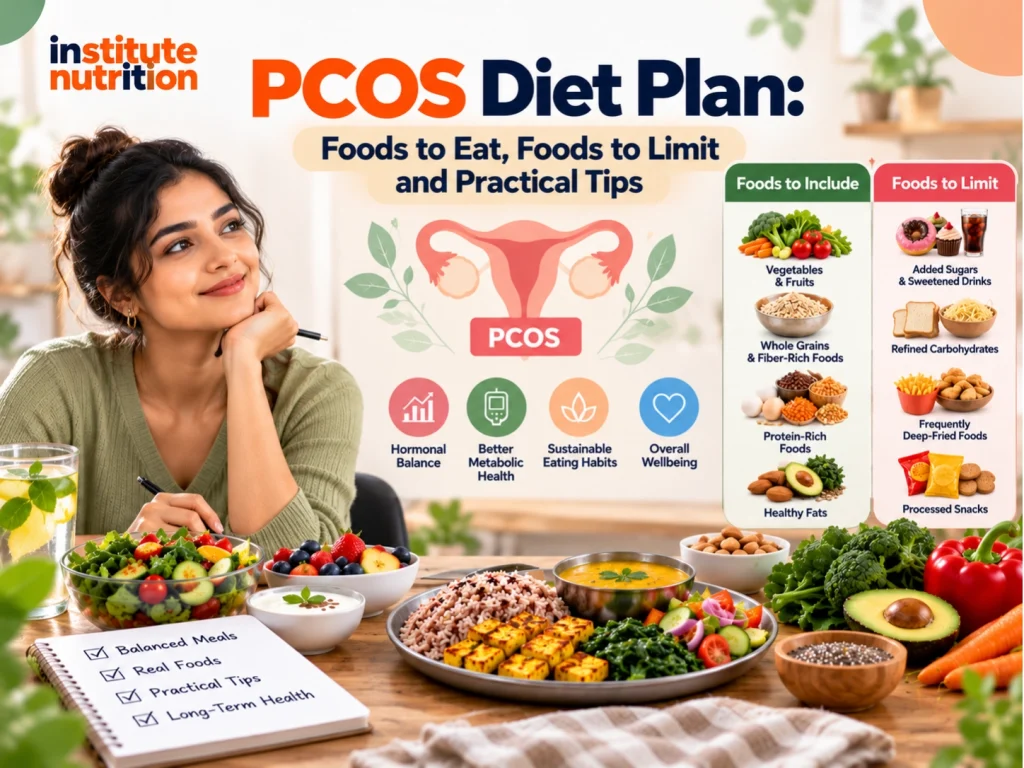
A practical PCOS diet plan focuses on balanced meals, adequate nutrition, sustainable habits, and individual needs—not extreme food restrictions. Choosing fiber-rich carbohydrates, vegetables, fruits, protein sources, and healthy fats can help you build a balanced eating pattern while supporting your overall health.
If you are looking for a PCOS diet plan in India, you do not necessarily need expensive imported foods or a completely different kitchen routine. Everyday foods such as dal, vegetables, whole grains, curd, eggs, beans, nuts, and seasonal fruits can all fit into a balanced diet.
In this guide, we explain what to eat, which foods to limit, how to plan meals, and when nutritional supplements may be worth discussing with a healthcare professional.
What Is the Best Diet Plan for PCOS?
There is no single diet that has been proven to work best for every person with PCOS. The international evidence-based guideline recommends sustainable, healthy eating tailored to individual preferences and goals rather than prescribing one specific dietary composition for everyone.
A balanced PCOS diet can include:
- Vegetables and a variety of whole fruits.
- Fiber-rich carbohydrates such as oats, whole grains, beans, and lentils.
- Protein from foods such as eggs, fish, dairy products, tofu, beans, and pulses.
- Healthy fats from nuts, seeds, and suitable cooking oils.
- Regular meals that fit your appetite, lifestyle, cultural preferences, and nutritional needs.
The aim is not to eliminate entire food groups without a reason. It is to develop eating habits that are realistic enough to maintain over time.
For more information, refer to the international evidence-based PCOS guideline.
1. Understanding How Nutrition Fits Into PCOS Management
PCOS is a complex hormonal and metabolic condition. It can affect menstrual cycles, ovulation, skin, hair growth, and metabolic health, although symptoms differ considerably from person to person.
Some people with PCOS experience insulin resistance, which can affect how the body responds to insulin and manages blood glucose. However, not everyone with PCOS has the same metabolic profile, and insulin resistance cannot be diagnosed simply by looking at someone’s weight or symptoms.
Nutrition is one part of a broader management plan that may also include physical activity, sleep, emotional well-being, medical treatment, and regular healthcare appointments.
A balanced eating pattern may support general and metabolic health, but it should not be presented as a guaranteed cure for PCOS or a replacement for prescribed treatment.
Does everyone with PCOS need to lose weight?
No. PCOS management should not automatically be reduced to weight loss.
Healthy lifestyle habits can be beneficial across different body sizes. Depending on individual circumstances, goals may include maintaining weight, preventing unwanted weight gain, improving metabolic health, supporting adequate nutrition, or addressing specific symptoms with professional guidance.
A useful starting point is to focus on behaviors you can maintain rather than pursuing a particular body size.
2. Best Foods to Include in a PCOS Diet Plan
A balanced diet does not depend on one special ingredient. Variety matters because different foods provide different nutrients.
Here are practical food choices you can consider when planning meals.
A. Fiber-rich carbohydrates
Carbohydrates are an important source of energy. You do not need to eliminate them simply because you have PCOS.
Instead, consider the type of carbohydrate, portion size, preparation method, and what you eat alongside it.
Examples include:
- Oats and other whole grains.
- Whole-wheat chapati.
- Brown rice or other whole grains, according to preference.
- Beans, chickpeas, and lentils.
- Vegetables and whole fruits.
Pairing carbohydrate-rich foods with protein, fiber, and healthy fats can make meals more balanced.
For example, instead of eating a meal consisting only of white rice, you could include rice with sambar, vegetables, and a protein source appropriate to your preferences.
Practical tip: You do not have to stop eating rice to build a balanced PCOS diet. Consider the overall meal, your usual portions, and your individual nutritional needs.
B. Vegetables and whole fruits
Vegetables and fruits supply fiber, vitamins, minerals, and other beneficial compounds.
Include a variety of colors and types throughout the week, such as:
- Spinach and other leafy greens.
- Carrots, beans, and gourds.
- Tomatoes, cucumber, and capsicum.
- Apples, oranges, guava, and seasonal fruits.
- Berries when available and affordable.
Whole fruit is generally a useful everyday choice. There is no need to avoid all fruit because it contains naturally occurring sugar.
Fruit juice, sweetened beverages, and whole fruit are not nutritionally identical. Whole fruit provides fiber and usually requires more chewing, which can influence fullness.
Practical tip: Choose fruits that are accessible, affordable, and enjoyable rather than spending more on foods simply because they are marketed as suitable for PCOS.
C. Protein-rich foods
Protein contributes to tissue maintenance and repair and can help make meals satisfying.
Suitable choices depend on your dietary preferences and nutritional requirements.
| Food group | Examples |
|---|---|
| Pulses and legumes | Dal, chickpeas, kidney beans, green gram |
| Dairy foods | Milk, curd, plain yogurt, paneer |
| Eggs | Boiled eggs, omelets, egg-based dishes |
| Fish and poultry | Fish, chicken, other suitable lean protein sources |
| Plant-based alternatives | Tofu, soy foods, nuts, and seeds |
You do not need to consume every item on this list. Choose a variety that works with your budget, food preferences, and any dietary restrictions.
For vegetarian meals, combining pulses, dairy foods, soy products, nuts, and seeds across the day can help provide protein and other essential nutrients.
D. Healthy fats
Dietary fat is important for normal body functions and helps the body absorb certain vitamins.
Include suitable sources such as:
- Nuts and seeds.
- Peanuts.
- Sesame seeds.
- Flaxseeds and chia seeds.
- Avocado when available.
- Plant-based cooking oils used in appropriate amounts.
- Fish, if included in your diet.
Healthy fats can form part of a balanced diet, but they are not a standalone treatment for PCOS.
Practical tip: You do not need to add large quantities of seeds, nuts, or oils to every meal. Focus on variety and portions that suit your energy and nutritional needs.
3. Foods to Limit When You Have PCOS
One of the most common misconceptions about PCOS is that certain foods must be completely banned.
The evidence does not support one universal list of foods that every person with PCOS must avoid. Instead, consider your overall dietary pattern and whether particular foods are displacing more nutritious options.
A. Sugar-sweetened beverages
Soft drinks, sweetened packaged drinks, and heavily sweetened tea or coffee can contribute added sugar without providing much nutritional value.
You can consider reducing their frequency or choosing unsweetened alternatives more often.
You do not need to assume that having a sweet drink occasionally will automatically worsen your PCOS.
B. Highly refined, low-fiber foods
Foods made primarily with refined grains may contain less fiber than their whole-grain alternatives.
Examples can include white bread, some packaged snacks, and certain refined-flour products.
These foods do not need to be completely prohibited. A more practical approach is to include fiber-rich foods regularly and make meals nutritionally varied.
C. Frequently consumed deep-fried foods
Deep-fried snacks and fast foods can be high in energy, sodium, or saturated fat, depending on the food and preparation method.
If these foods make up a large proportion of your diet, consider preparing them less frequently or balancing them with a greater variety of nutritious meals.
This is about the overall pattern, not labeling individual foods as good or bad.
D. Highly restrictive diet products and plans
Be cautious of programs that require you to remove multiple food groups without a clear nutritional reason.
Examples include strict plans that automatically eliminate all carbohydrates, all dairy, or all fruit for every person with PCOS.
Unnecessary restrictions can make it harder to obtain adequate nutrients and maintain a healthy relationship with food.
If you suspect a food intolerance, allergy, or another condition requiring dietary changes, discuss it with a qualified healthcare professional.
4. PCOS Diet Plan for Indian Meals
You do not need a separate set of expensive foods to eat well with PCOS. A practical plan can use familiar ingredients and be adapted to vegetarian, non-vegetarian, and regional preferences.
The following is an illustrative one-day meal plan, not a personalized prescription. Portion sizes and food choices should be adjusted to your nutritional needs, appetite, activity, medical history, and preferences.
| Meal | Example food choices |
|---|---|
| Breakfast | Vegetable dosa with sambar, or oats with milk or a suitable alternative |
| Mid-morning | A whole fruit, if hungry |
| Lunch | Rice or chapati with dal, vegetables, and curd or another suitable protein source |
| Evening snack | Roasted chickpeas, nuts, or another preferred snack |
| Dinner | Chapati or another grain with vegetables and dal, tofu, eggs, fish, or another protein source |
| Drinks | Water and unsweetened beverages according to preference |
This plan is intended to demonstrate balance and variety. It is not a guarantee of hormonal changes, weight loss, or symptom improvement.
Can you eat rice if you have PCOS?
Yes. Rice can be included in a balanced diet.
You do not need to replace every rice-based meal with brown rice or eliminate rice completely. You can consider the portion, the type of rice you prefer, and the other foods included in your meal.
For example, a meal with rice, dal, vegetables, and a protein source offers a different combination of nutrients from a meal consisting only of rice.
Choose an eating pattern that is practical for your household and sustainable over time.
Is curd suitable for a PCOS diet?
Curd can provide protein and calcium, depending on the product and serving. Plain, unsweetened curd may be a useful option for people who tolerate dairy.
However, dairy is not essential for everyone, and people with allergies, intolerances, or specific medical requirements may need alternatives.
There is no universal requirement for everyone with PCOS to eliminate dairy.
Should you stop eating sugar completely?
Not necessarily. Reducing frequent consumption of added sugars can be a reasonable part of a balanced eating pattern, but complete avoidance is not a universal requirement for PCOS management.
Consider your overall diet, the frequency of sugary foods and drinks, and whether your meals provide sufficient fiber, protein, and other nutrients.
Avoid turning food choices into a source of guilt. Consistency across your usual eating habits matters more than striving for perfection at every meal.
5. Should You Follow a Low-Carb or Keto Diet for PCOS?
Low-carbohydrate and ketogenic diets receive considerable attention in online PCOS discussions. Some people may find a particular eating pattern useful for their individual goals, but that does not mean it is the best option for everyone.
The international evidence-based guideline does not identify one dietary composition as superior for all PCOS-related anthropometric, metabolic, hormonal, reproductive, or psychological outcomes.
The right approach depends on factors such as:
- Your overall nutritional requirements.
- Your medical history and metabolic health.
- Your usual food preferences.
- Your cultural and family eating patterns.
- Your budget and access to food.
- Whether the plan is practical to maintain.
- Whether it creates unnecessary restrictions or distress.
If you are considering a restrictive diet, particularly if you have diabetes, take medication affecting blood glucose, are pregnant, or are trying to conceive, seek individualized advice from an appropriate healthcare professional.
The goal is not to find the strictest diet. It is to find a balanced approach that meets your needs and can be sustained.
6. Do You Need Supplements Alongside a PCOS Diet Plan?
A balanced diet is an important foundation, but some people wonder whether they should also take supplements.
You may encounter products containing inositol, vitamin D, omega-3 fatty acids, or other vitamins and minerals marketed for PCOS.
However, supplements are not interchangeable, and the evidence for one ingredient cannot automatically be applied to every product or combination.
Whether a supplement is appropriate depends on the ingredient, available evidence, individual nutritional status, medical history, medications, and intended use.
For example:
- Inositol: Has been studied in PCOS, but evidence for specific clinical outcomes remains limited, and the international guideline does not establish one particular formulation or dose as best for everyone.
- Vitamin D: Supplementation may be appropriate when deficiency or another clinical indication is identified, but the decision should be individualized.
- Omega-3 fatty acids: May be relevant to some people’s nutritional needs, but they should not be presented as a guaranteed treatment for PCOS.
- Other vitamins and minerals: The need for supplementation depends on diet, nutritional status, medical circumstances, and professional advice.
Before taking a supplement, check its ingredients, dosage, quality information, possible interactions, and suitability for your circumstances.
If you want to explore this topic further, read our guide to PCOS Nutrition Supplements, which discusses commonly considered supplements and the importance of evidence-based decisions.
Do not start high-dose supplements or stop prescribed medication based solely on online advice. A healthcare professional can help you decide whether testing, supplementation, or another form of treatment is appropriate.
7. Lifestyle Habits That Can Complement a PCOS Diet
Nutrition is only one part of PCOS management. Other sustainable habits can contribute to general health and well-being.
Stay physically active in a way you enjoy
Walking, cycling, swimming, dancing, resistance training, and other activities can contribute to overall health.
You do not need to begin with an intense exercise routine. Choose an activity that fits your current fitness level and circumstances, then build gradually if appropriate.
The international PCOS guideline recommends physical activity and other healthy lifestyle behaviors as part of management.
Prioritize sleep
Sleep needs vary, but regularly getting sufficient sleep can support general health.
If you experience persistent fatigue, loud snoring, unrefreshing sleep, or significant daytime sleepiness, discuss these symptoms with a healthcare professional rather than assuming that diet alone will solve them.
Take emotional well-being seriously
PCOS can affect how people feel about their bodies, health, and future. Strict dietary rules and conflicting online advice may add unnecessary stress.
If food choices are becoming a source of anxiety, consider seeking support from a qualified healthcare professional or registered dietitian who understands your needs.
A sustainable plan should support your health without making everyday eating unnecessarily difficult.
8. Common PCOS Diet Mistakes to Avoid
Even well-intentioned changes can become unhelpful when they are based on misinformation.
Mistake 1: Eliminating carbohydrates completely
Carbohydrates are an important energy source. Many carbohydrate-containing foods also provide fiber, vitamins, and minerals.
Rather than removing all carbohydrates, focus on a varied diet and suitable food choices.
Mistake 2: Expecting one food to balance hormones
No single food can reliably resolve all the hormonal and metabolic features associated with PCOS.
Be cautious of claims that one ingredient, drink, or supplement will cure the condition.
Mistake 3: Taking supplements without checking whether you need them
A supplement may be unnecessary, unsuitable, or potentially harmful at an excessive dose.
Discuss your individual needs with a qualified healthcare professional, especially if you take medication or have other medical conditions.
Mistake 4: Following someone else’s meal plan without adapting it
Your nutritional needs, food preferences, activity level, medical history, and budget may differ from another person’s.
A plan that works for someone else may not be appropriate for you.
Mistake 5: Expecting immediate results
Changes in symptoms and health markers vary between individuals. Some outcomes may require medical evaluation or treatment beyond dietary adjustments.
Review your progress with a healthcare professional rather than relying solely on short-term changes in weight or symptoms.
9. When Should You Seek Professional Advice?
Consider speaking with a healthcare professional if you have been diagnosed with PCOS and need help deciding which nutritional changes are appropriate.
Professional guidance is particularly important if you:
- Have persistent or prolonged menstrual irregularities.
- Are trying to conceive or have fertility concerns.
- Have diabetes or another metabolic condition.
- Are considering high-dose supplements.
- Take medication that could interact with supplements or dietary changes.
- Have a history of disordered eating or significant anxiety around food.
- Are pregnant, breastfeeding, or planning pregnancy and need individualized nutritional advice.
A clinician can assess your symptoms and broader health needs. A qualified dietitian or other appropriately trained nutrition professional can help translate dietary recommendations into a practical meal plan.
Dietary changes should complement, rather than replace, appropriate medical care.
Frequently Asked Questions About a PCOS Diet Plan
1. What is the best diet plan for PCOS?
There is no single diet plan that is best for everyone with PCOS. A balanced eating pattern containing vegetables, fruits, fiber-rich carbohydrates, protein sources, and healthy fats is a practical starting point. Your plan should reflect your individual health needs, preferences, and goals.
2. Which foods should I eat daily if I have PCOS?
Depending on your needs and preferences, you can include vegetables, whole fruits, pulses, whole grains, suitable protein sources, and nuts or seeds. Variety across the week helps provide a broader range of nutrients.
3. Can I eat rice every day with PCOS?
Rice can form part of a balanced diet. Consider the overall meal, your portion, and whether you are also eating vegetables and suitable protein sources. You do not have to eliminate rice solely because you have PCOS.
4. Should I avoid dairy if I have PCOS?
Not everyone with PCOS needs to avoid dairy. Foods such as plain curd, milk, or paneer may fit into a balanced diet if they are suitable for you. People with allergies, intolerances, or specific medical requirements may need individualized alternatives.
5. Is a low-carb diet necessary for PCOS?
No. The international evidence-based guideline does not establish one dietary composition as best for everyone with PCOS. A sustainable approach tailored to your health needs and preferences is generally more practical than following a restrictive diet without individualized guidance.
6. Can a PCOS diet plan cure PCOS?
No diet has been established as a cure for PCOS. Nutrition and physical activity can support overall health, but symptoms and treatment needs vary. Some people also need medical treatment and ongoing clinical assessment.
7. Do I need supplements if I have PCOS?
Not necessarily. The need for supplements depends on individual nutritional status, medical history, and the evidence for the particular ingredient. Speak with a healthcare professional before starting high-dose supplements or combining multiple products.
8. Can I follow a vegetarian PCOS diet plan?
Yes. Vegetarian meals can include lentils, beans, chickpeas, dairy products if tolerated, soy foods, nuts, seeds, vegetables, fruits, and whole grains. Pay attention to obtaining adequate protein and other essential nutrients based on your individual requirements.
9. How long does it take for dietary changes to help with PCOS?
There is no universal timeline. Results depend on the individual, the outcome being measured, other treatments, and the consistency and suitability of dietary changes. Some health markers may need to be monitored clinically. Do not delay medical care while waiting for a diet to work.
Final Thoughts: Build a PCOS Diet You Can Maintain
A practical PCOS diet plan does not need to be complicated, expensive, or restrictive.
Start by building balanced meals, including a variety of nutritious foods, and choosing habits that work with your everyday life. You do not have to stop eating rice, eliminate every sweet food, or buy a long list of supplements to take your health seriously.
Remember that nutrition is one part of PCOS management. Your individual symptoms, medical history, and goals should guide decisions about diet, supplements, and treatment.
If you are exploring nutritional approaches for PCOS, our guide to PCOS Nutrition Supplements can help you learn about commonly discussed supplements and why evidence and professional guidance matter.
Health disclaimer: This article is for general educational purposes only and is not a substitute for personalized medical advice, diagnosis, or treatment. Consult an appropriately qualified healthcare professional for advice about PCOS, dietary changes, or supplements.