
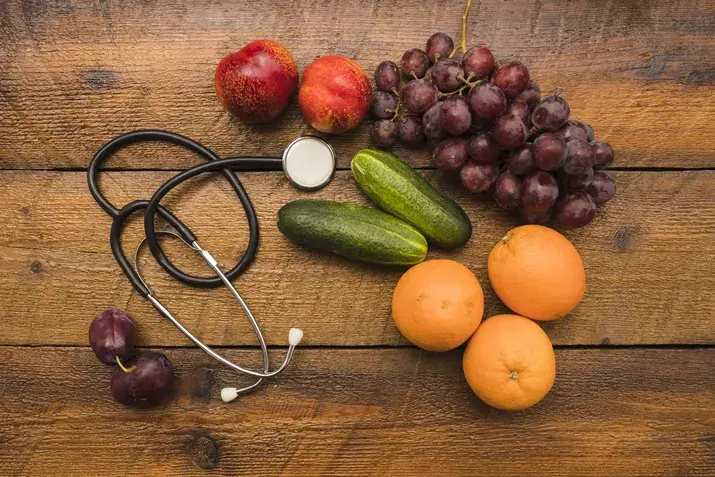
According to the World Cancer Research Fund (WCRF), almost one-third of all cancers around the world are caused by what people eat and the lifestyle they follow!
As the lifestyle-related cancers continue to rise, nutrition can no longer be limited to basic meal planning or calorie calculations. Today, the phenomenon of nutrition has become a central pillar for preventive healthcare. Through the lens of nutrition, it is important to acknowledge that the food we eat everyday influences inflammation, oxidative stress, metabolic health, and even gene expression – all the components that play a major role in the development of cancer.
For dietetics students and practicing dietitians, this shift mandates a deeper scientific understanding that focuses on cancer-preventive nutrition. Clients today expect simple guidance that goes beyond general advice. They seek clarity, personalization, and research-backed nutrition strategies that link everyday eating habits with long-term disease prevention.
As one of the top modern nutrition schools in India, Institute Nutrition (INC) takes a research-backed approach that trains and equips students and professionals to apply cancer-preventive principles confidently. Led by a team of experienced dietitians and certified practitioners, our Cancer-Preventive Nutrition program offers practical knowledge that allows learners to employ the preventive-nutrition strategies in meaningful clinical and community practice.
In this blog we’ll explore the criticality of cancer-preventive nutrition and why it is becoming an essential skill for today’s nutritionists.
Understanding Cancer Prevention Through Nutrition Science
There are many biological processes and underlying mechanisms that work together to cause cancer. Diet stands as a critical component in cancer prevention, as it can directly affect and regulate most of these processes. Some of the ways that diet can reduce your risk of getting cancer are:
Chronic Inflammation: Diets that are high in refined sugars, processed foods, and unhealthy fats can cause inflammation throughout the body. This creates a favorable environment for cancer tumor development.
Oxidative Stress: Fried, processed, or charred foods, along with excessive sugar and alcohol, can lead to free radical formation. These free radicals damage DNA and cellular structures. In simple terms, poor dietary patterns can increase oxidative load. A diet high in antioxidants, on the other hand, can help protect cells by neutralizing these harmful molecules.
Insulin Resistance: Eating a lot of refined carbs, sugary foods, and sweetened drinks can raise your blood sugar and insulin levels. Such extreme levels of hormonal imbalance are often associated with a heightened risk of metabolic cancer.
Epigenetic changes: Certain nutrients and dietary components can influence gene expression. This process can either activate or suppress genes involved in cancer development.
It is important to learn and understand such biological interactions. With this information, dietitians can design preventive nutrition strategies that target the root causes of the issues, rather than spend time dealing with the symptoms.
Why Cancer-Preventive Nutrition is a Critical Skill for Future Dietitians
Today, healthcare is predominantly shifting toward prevention. More and more hospitals, oncology clinics, wellness centers, and community programs are looking for nutritionists and dietitians who understand how diet influences and impacts cancer development. Students and practicing dietitians must keep themselves updated and upskilled in oncology-informed nutrition. Only with the specialized knowledge can one:
- Give strategies for early intervention
- Assist people who are at high risk
- Help with public health projects
- Collaborate with multidisciplinary healthcare teams
Key Nutritional Factors Linked to Cancer Risk Reduction
Research and studies have highlighted certain dietary patterns that can lower cancer risk. These patterns typically include whole, minimally processed foods rich in phytonutrients, fibers, and healthy fats, while limiting inflammatory foods. Let us take a detailed look at some of the key components of these diet patterns:
Role of Antioxidants and Phytochemicals
Antioxidants protect cells by getting rid of free radicals, which can hurt DNA and cause cancer. Polyphenols, flavonoids, and carotenoids are examples of phytochemicals that are found in colorful fruits and vegetables. These chemicals help protect against cancer. They do this by lowering oxidative stress, helping DNA repair, and controlling how cells work. Some of these common foods include:
- Vitamin C in citrus fruits
- Lycopene in tomatoes
- Beta-carotene in carrots
- Flavonoids in berries and green tea
These compounds support immune surveillance and can even influence tumor growth mechanisms
Importance of Fiber-Rich and Plant-Based Diets
Dietary fiber has been shown to play a major role in cancer prevention, particularly colorectal cancer. Consumption of fiber can help with:
- Healthy gut microbiota
- Production of short-chain fatty acids
- Improved estrogen metabolism
- Stable blood sugar levels
Foods such as whole grains, legumes, vegetables, fruits, nuts, and seeds are consistently associated with reduced cancer risk.
Foods and Dietary Patterns to Limit
A number of dietary patterns have been known to increase the risk of cancer. These foods include:
- Processed and red meats
- Ultra-processed foods
- Excess sugar and refined carbohydrates
- High alcohol intake
- Diets high in trans fats
These foods can make inflammation, oxidative stress, and metabolic problems worse. This is why nutritionists shouldn’t force people to follow strict diets and rules but instead teach them how important moderation and long-term dietary balance are.
Cancer-Preventive Nutrition Across Different Life Stages
Cancer-prevention nutrition strategies can vary depending on the age as well as the individual risk factors. So, it’s important to remember that what works for one age group or risk profile might not work for another. Nutritionists can make plans that maximize nutrient intake, support overall health, and lower the risk of cancer in the long term by focusing on the needs of each age group. When focusing on nutrition for age groups and populations that are more likely to be at risk, you should consider the following:
Children and Adolescents: Focus on building lifelong healthy habits and preventing childhood obesity.
Adults: Emphasize on maintaining healthy body weight and prioritizing plant-based foods. It is also important to manage stress and metabolic health.
Older Adults: Focus on nutrient density, immune support, and muscle preservation.
High-Risk Populations: Individuals with a family history or genetic predisposition may benefit from personalized dietary counseling due to early intervention.
Common Myths and Misinformation Around Cancer and Diet
One of the most common pitfalls that clients face today is believing in social media diets and popular trends. No one food or supplement can stop or cure cancer, even though they push miracle foods and extreme detox plans. Individuals who use fake products and shortcuts may forget about healthy, balanced diets that are known to help cells stay healthy over time. Therefore, it is critical for nutritionists to emphasize the importance of balanced, nutrient-rich diets that work against reducing cancer risk.
Students studying nutrition and practicing dietitians must base their advice on established clinical guidelines and research that has been proven to be true. The only thing that can help clients navigate such vast amounts of misinformation is providing clear and evidence-backed communication. This can help clients understand what they can realistically expect and develop habits that are better for their health and the environment. Nutritionists give their clients the knowledge they need to make better, healthier food choices that can help them avoid getting sick in the long run.
Practical Applications for Clinical and Community Practice
Cancer-preventive nutrition is most effective when it is employed across both the individual and community level. It can be integrated across the community in the following ways:
- Personalized meal planning for clients with varying risk profiles.
- Risk assessment consultations to find nutritional gaps and put in place early steps to stop them.
- Corporate wellness programs that promote healthy eating in workplaces.
- School nutrition education programs to help kids make healthy choices.
- Public health campaigns that focus on cancer preventive strategies.
- Workshops and cooking demonstrations in the community to teach people how to prepare food that can help prevent cancer.
- Support for high-risk groups, such as individuals with a family history of cancer, through customized guidance.
What You’ll Learn in Institute Nutrition’s Cancer-Preventive Nutrition Online Course
Our Cancer-preventive nutrition program at the Institute Nutrition (INC) covers the following sections:
- In-depth scientific foundations linking dietary patterns with cancer risk.
- Scientific understanding of how specific nutrients influence cellular health and gene expression.
- Useful frameworks for creating meal plans and interventions that stop problems before they start.
- Real-world case discussions to illustrate application in diverse populations.
Strategies to integrate cancer-preventive nutrition into clinical practice and wellness programs.
Who Should Attend This Masterclass ?
This program is mostly for nutrition students and practicing dietitians, but it also has useful information for other types of healthcare workers. We recommend our course on cancer-prevention nutrition for the following crowds:
Students in nutrition and dietetics: Learn about cancer-preventive nutrition and get hands-on experience in addition to theoretical learning.
Practicing dietitians: Expand your clinical expertise and confidently integrate preventive oncology strategies into client consultations.
Health coaches and wellness consultants: Strengthen your advisory approach with science-based dietary frameworks that support long-term disease prevention.
Clinical nutrition professionals: Apply structured, evidence-informed nutrition strategies within hospital and specialty care settings.
Healthcare practitioners interested in preventive care: Learn more about how diet affects the risk of cancer and long-term health outcomes.
How This Masterclass Supports Career Growth for Dietitians
In an age where preventive healthcare is highly prioritized, advanced knowledge in cancer-preventive nutrition can substantially strengthen your professional portfolio. Today, dietitians with specialized expertise in this area are increasingly valued more than ever. This knowledge builds clinical confidence and empowers professionals to provide science-backed and research-oriented guidance.
Hospitals and Oncology Departments: Cancer nutrition specialists can support patients through risk reduction strategies and provide additional nutrition care by collaborating for treatment planning across multidisciplinary teams.
Preventive Health Clinics: Craft structured dietary programs that are aimed at identifying early risks and assist in long-term lifestyle modification.
Public Health Programs: Contribute to large-scale awareness campaigns and community initiatives focused on cancer prevention through nutrition education.
Corporate Wellness Consulting: Develop workplace nutrition programs that promote healthier dietary habits and reduce chronic disease risk among employees.
Private Practice: Consultations and dietary strategies that are tailored to each person’s unique needs.
Take the Next Step Toward Evidence-Based Preventive Nutrition with Institute Nutrition (INC)
Cancer prevention begins long before diagnosis!
While this may initially sound surprising, early and consistent nutrition strategies can contribute to long-term cellular health and significantly reduce the risk of cancer. Following dietary patterns over time can influence and regulate all the major components linked to cancer development.
At the Institute Nutrition (INC), our online course on Cancer-Preventive Nutrition is designed to give students and practicing professionals a comprehensive understanding of how diet influences cancer risk. This lets our participants use peer-reviewed information to prescribe diet plans, use it in clinical settings, and work on community projects.
Enroll in our Cancer-preventive nutrition course today and unlock countless opportunities in the field of nutrition!